
Why calibration, redundancy and 24/7 operation matter
Author: Infra Technologies / Barco · Published:
This material is based on official information from Barco.
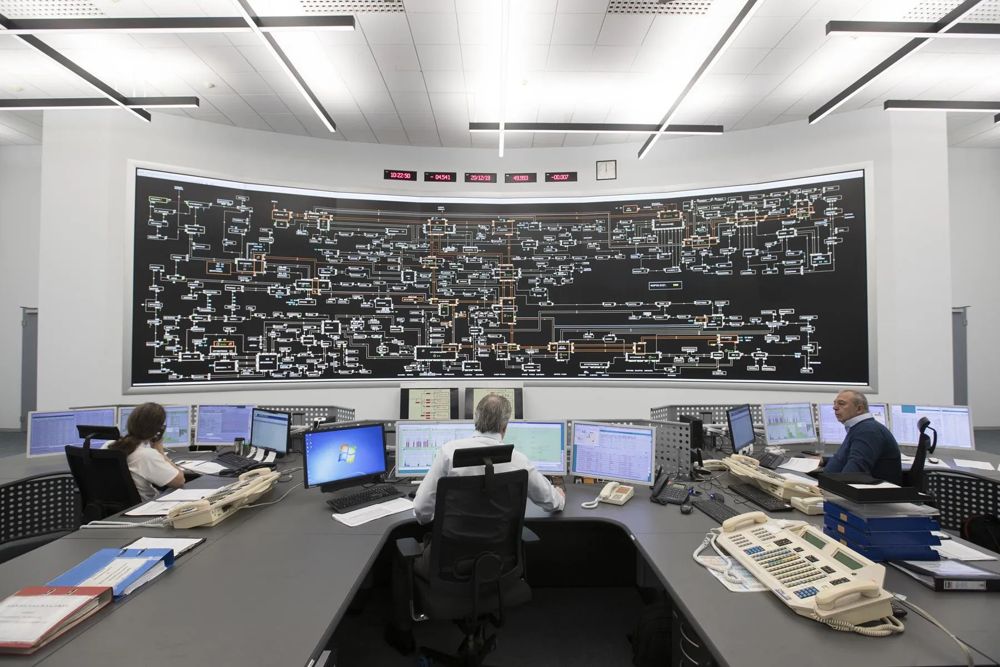
Equipment for office presentations and equipment for critical infrastructure solve different problems even when they look similar. A projector in a meeting room can sit switched off most of the week; a video wall in a power utility or transport control room has to stay on and accurate for months without a break. The difference shows up in three areas: calibration, redundancy and round-the-clock operation.
Calibration
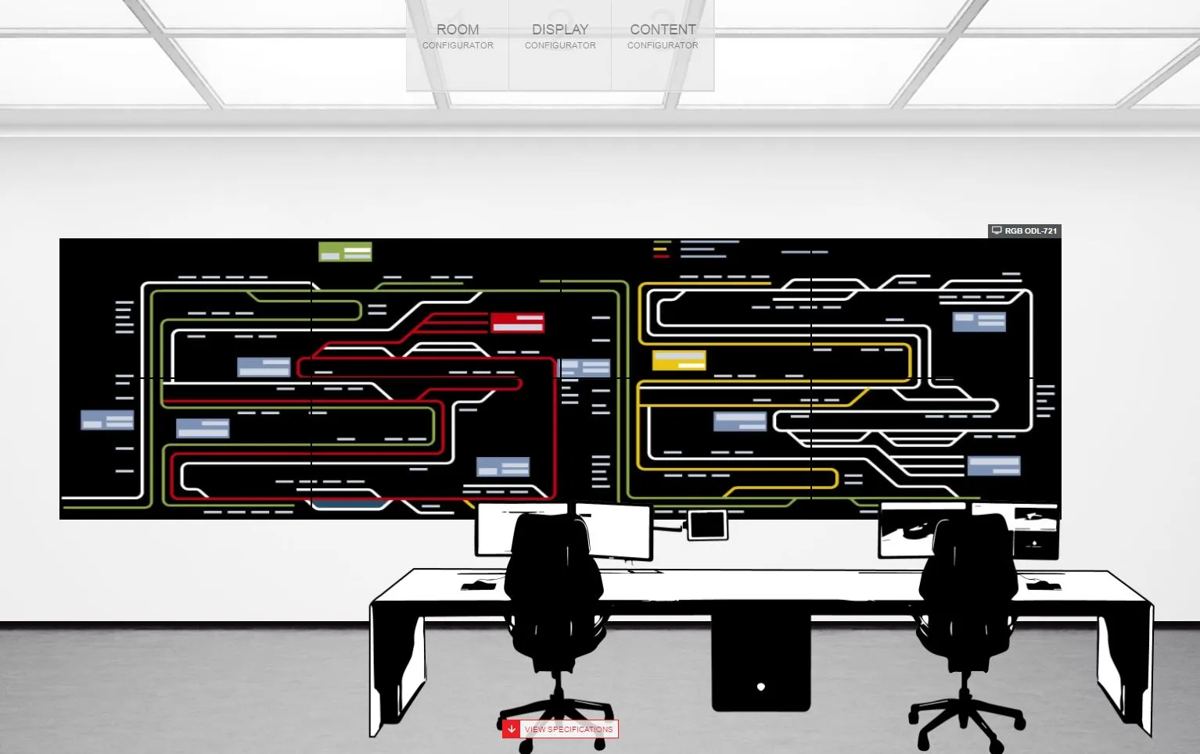
Every light source, LED, laser or lamp, changes brightness and colour temperature over time, and different units age at different rates. On an office display this is rarely visible to the eye. On a video wall built from dozens of modules, uneven ageing shows up as a visible difference in brightness and tint between neighbouring sections. Professional control-room systems measure the brightness and colour of every module with dedicated sensors and correct the output automatically, so the wall stays uniform for its whole service life, not just the first few months after install.
Redundancy
In critical infrastructure, one component failing should never mean losing the picture at an operator's post. That covers signal sources (two independent players or processors instead of one), transport paths (duplicate network links and switches) and power (a backup electrical feed, a UPS with automatic transfer). A well-designed system fails over in a fraction of a second, and the operator may not even notice an event that would have meant restarting a projector on an office system.
24/7 operation

Components rated for continuous operation are selected and tested by the manufacturer for exactly that duty cycle: light-source lifespan, cooling that works without downtime to dissipate heat, electronics rated for sustained heat. Office-grade equipment, built around 8 to 10 hours a day with nights and weekends off, degrades noticeably faster in 24/7 use and tends to fail before its rated lifetime.
Why this matters at the selection stage
- Critical-infrastructure equipment costs more not because of the brand but because of stricter components and built-in redundancy.
- Cutting corners on this equipment class usually leads to more frequent failures and repairs that cost more than the purchase-time savings.
- Calibration and redundancy requirements belong in the brief from the start, not added after the facility is already operating.
At Infra Technologies we choose the equipment class based on how the facility actually operates, not just the budget. For a control room running around the clock, saving on calibration and redundancy almost always costs more over a few years.