

When does rear-projection remain the optimal technology?
Author: Infra Technologies / Barco · Published:
This material is based on official information from Barco.
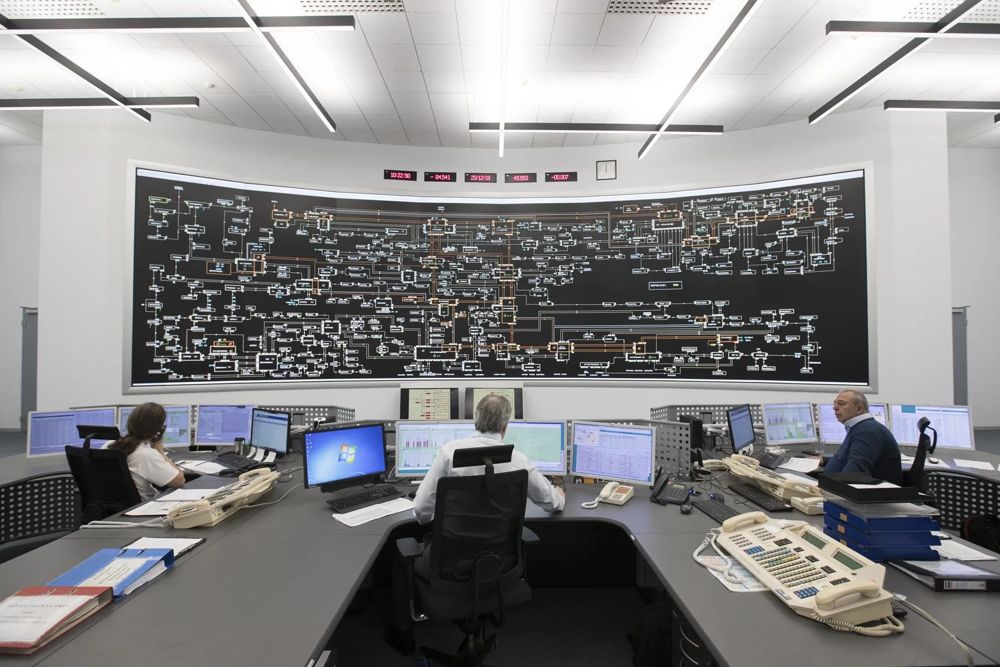
Rear-projection cubes (RPC) can look like a legacy technology next to LED and LCD, but for a number of use cases they still make more sense. That means video walls that genuinely run around the clock for years without being switched off, such as utility control rooms, transport operations centres, or telecom network monitoring floors.
Why cubes are still chosen
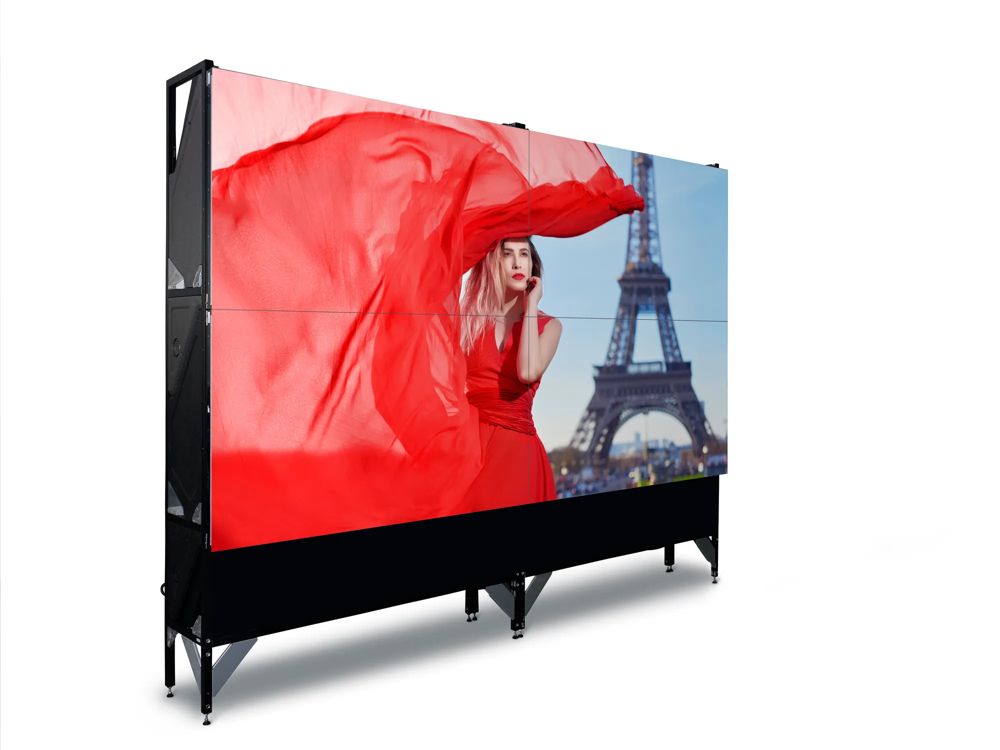
A modern RPC cube's light source, laser or LED-based, is rated for tens of thousands of hours of continuous operation, and brightness decay is slow and predictable. The image forms through a single sealed optical path inside a closed enclosure, so there is no equivalent of the uneven ageing of individual LEDs or LCD sub-pixels that shows up after extreme run hours on other technologies.
The closed housing keeps dust off the optics, which matters in rooms with constant ventilation and heavy foot traffic, where open LED cabinets and LCD panels need more frequent cleaning. Seams between properly aligned cubes are essentially invisible, and cubes from the same production run give a uniform brightness and colour field without per-cube calibration.
Where cubes fall short
Cube depth, typically 40 to 70 cm, needs space behind the screen that neither LCD nor LED requires. Peak brightness is lower than LED, so rooms with strong daylight or uncovered windows are a poor fit. Module diagonal is fixed by the manufacturer, so unlike LED, you cannot build a wall in a non-standard shape.
Typical scenarios
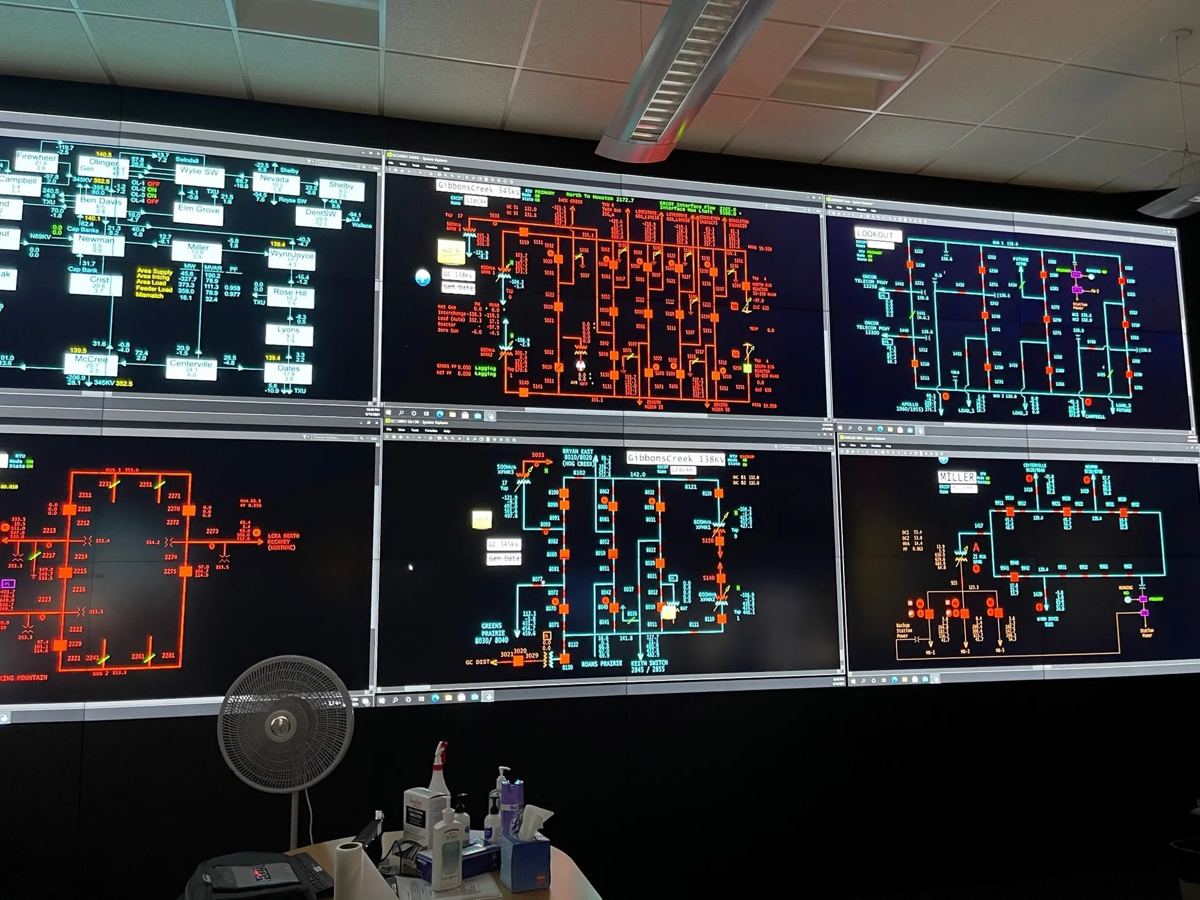
- Utility and water-network control rooms where the screen stays on uninterrupted for years.
- Situation centres for security agencies and transport operators with limited daylight.
- Telecom and data-centre monitoring floors, where predictable brightness decay makes module replacement easy to plan.
At Infra Technologies we recommend rear-projection not as a fallback but as a deliberate choice for 24/7 sites with controlled lighting, where lifespan and image uniformity matter more than a thin cabinet or extreme brightness.