

What to consider when designing a video wall
Author: Infra Technologies / Barco · Published:
This material is based on official information from Barco.
Designing a video wall is not just picking a technology and sizing the diagonal. Mistakes in geometry, lighting or power usually surface only after installation, when they are hard and expensive to fix. Here are five factors worth closing out at the design stage.
Geometry and viewing angle

The screen's shape and placement need to account for the actual spots people will view it from, not just the room's centre line. LED and LCD panels have a limit past which brightness and colour noticeably degrade off-axis; for wide rooms with side seating that can mean a curved screen configuration or repeater displays off to the side.
Room lighting

Direct sunlight or bright artificial light falling on the screen lowers perceived contrast even on a bright LED panel. At the design stage it is worth mapping window positions and orientation and planning for blinds or curtains, rather than treating extra screen brightness as the only fix.
Serviceability
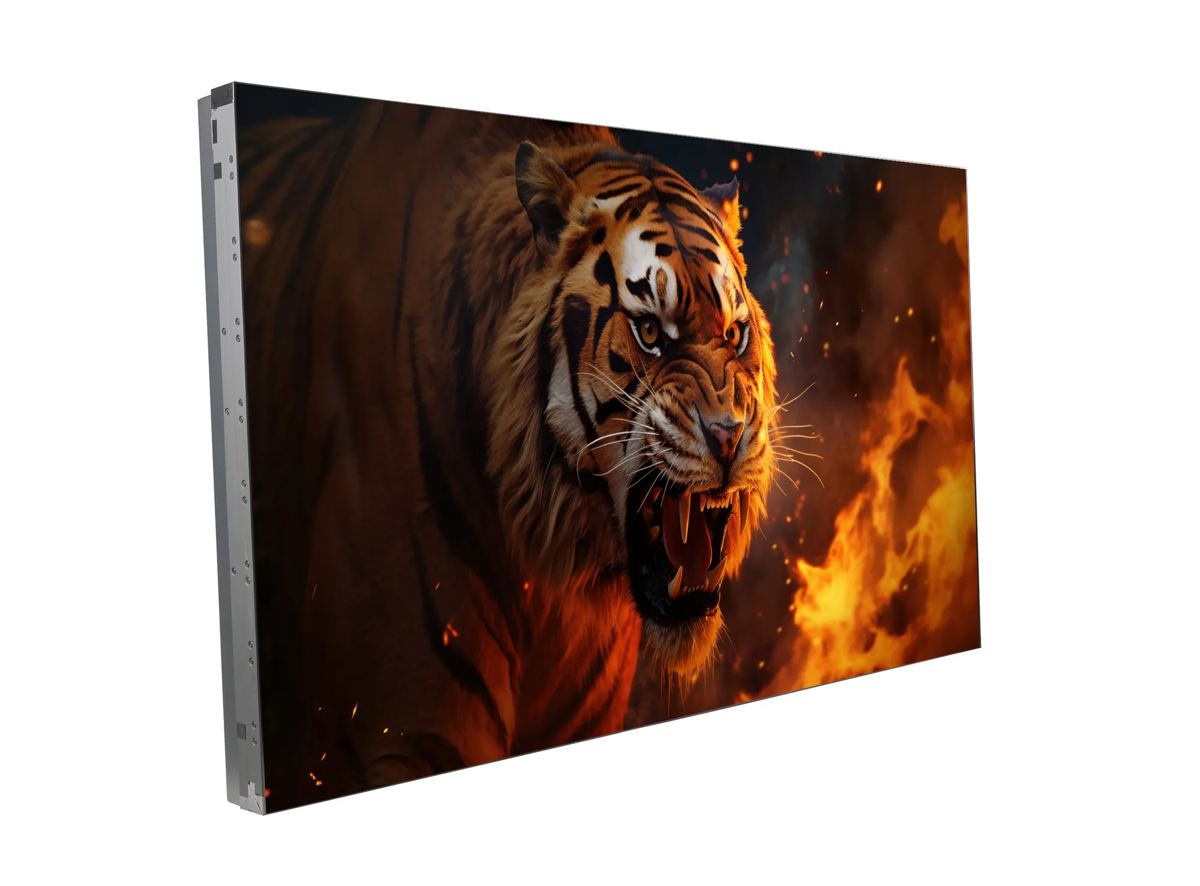
Access to the front or back of the screen for module replacement and cable runs needs to be planned before installation, not worked out afterward. For LED, decide early whether service will be front-access (modules come off the face) or requires walking space behind the screen, which directly affects how deep a wall recess or mounting structure needs to be.
Power supply
LED video walls draw significant power, especially at peak brightness, and the load scales with screen area. Wiring needs to be sized for peak, not average, consumption, with headroom for future expansion, and facilities where downtime is unacceptable need a backup power feed and a UPS for the control equipment.
Redundancy and fault tolerance
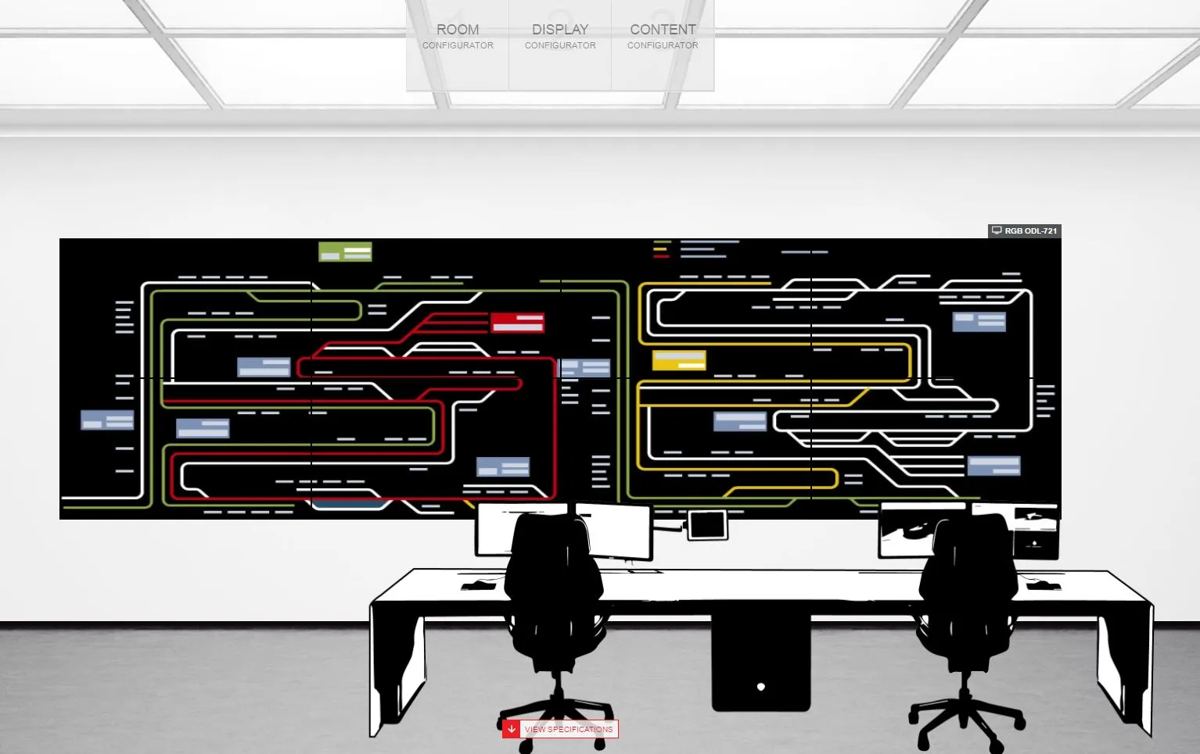
What happens if one module, signal source, or power line fails needs to be defined before equipment is purchased, not figured out on site after the first outage. For facilities running 24/7, redundancy for signal sources and transport paths belongs in the system architecture, not bolted on later as separate components.
A working checklist
- Viewing points and the acceptable angle for the chosen technology.
- Light sources and how to control them.
- Service approach and the space it needs behind the screen.
- Electrical load sized for peak brightness.
- A redundancy plan for signal and power.
At Infra Technologies we run through this checklist at the design stage for every site, so the video wall works as intended from day one rather than after a round of fixes.